Here’s a full detailed article on the Environmental and Economic Impact of Solar Panels — with clear explanations and supporting visuals you can visualize while reading (based on authoritative sources).


Environmental and Economic Impact of Solar Panels (2026 Update)
🌍 1. Introduction
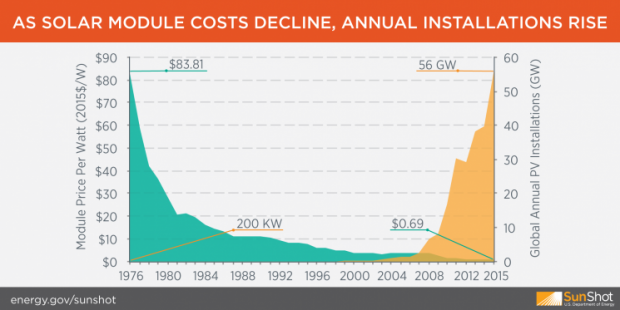
Solar panels — devices that convert sunlight into electricity — are a cornerstone of the global transition toward clean energy. Their adoption impacts both the environment and the economy in wide-reaching ways. Solar power has grown from a niche technology to a mainstream energy source thanks to falling costs, supportive policies, and climate concerns. (vaysolar.com)
🌱 2. Environmental Impact
a) Reduced Greenhouse Gas Emissions
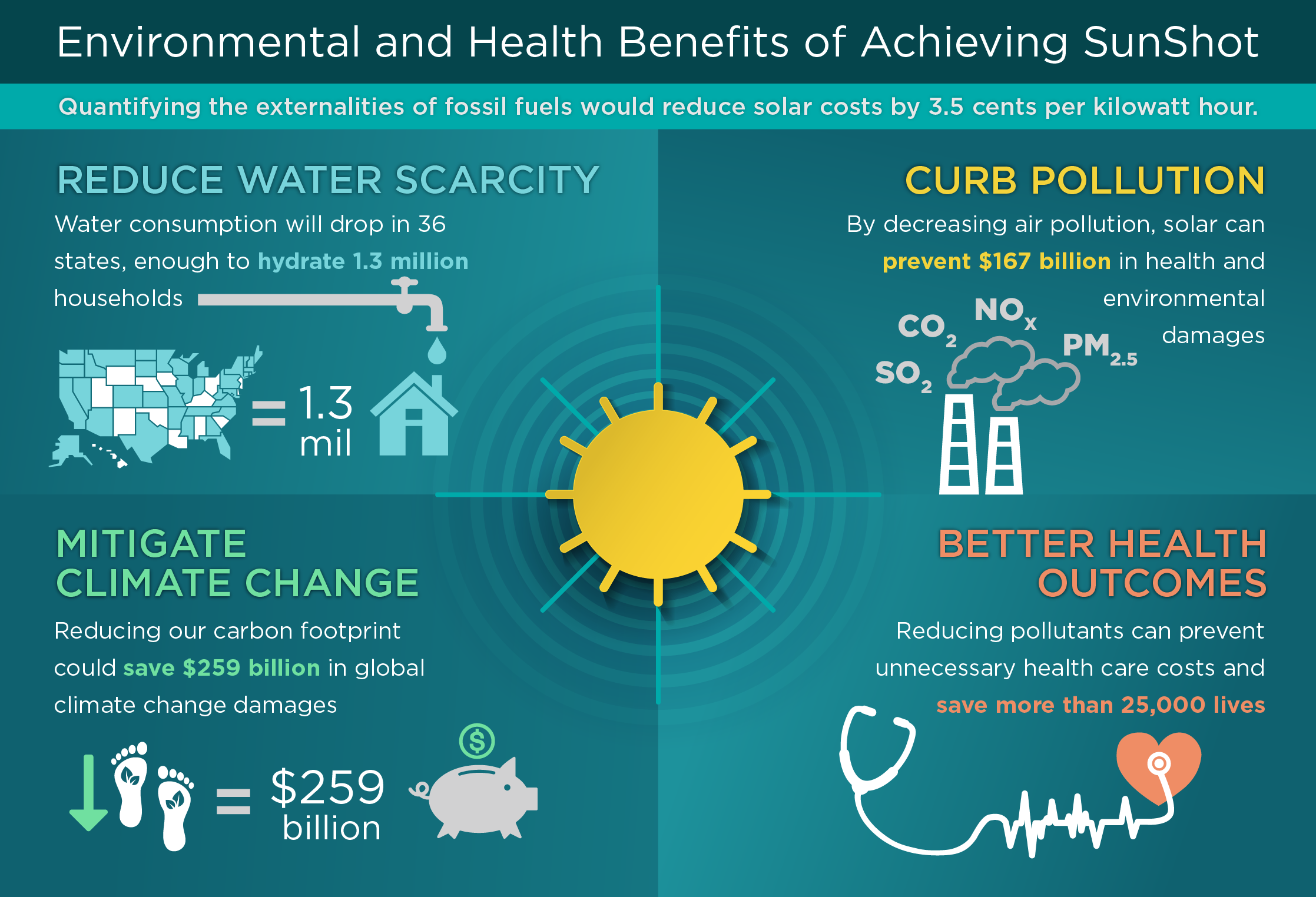
The biggest environmental benefit of solar panels is their ability to reduce greenhouse gas (GHG) emissions. Unlike fossil fuels like coal or natural gas, solar electricity production emits no carbon dioxide (CO₂) during operation. Over its lifetime, a typical residential system can offset several tons of CO₂ each year — equivalent to planting hundreds of trees. (NASAWEB)
This contributes directly to slowing global warming and meeting climate goals set by countries worldwide.
b) Improved Air Quality
Solar panels help reduce air pollutants such as:
- SO₂ (sulfur dioxide)
- NOₓ (nitrogen oxides)
- Particulate matter
These pollutants, common from fossil fuel combustion, contribute to respiratory illnesses, smog, and environmental degradation. Solar energy produces electricity with essentially zero air pollution during operation. (pvgis.com)
This leads to:
- Cleaner air in cities
- Fewer health-related issues (e.g., asthma, heart disease)
- Lower public health costs
c) Water Conservation
Traditional power plants — especially coal or nuclear — use massive amounts of water for cooling. Solar panels, however, need minimal water during their operation (mainly occasional cleaning). This makes them ideal for arid and water-stressed regions. (pvgis.com)
For example, a 1 MW solar plant can save millions of liters of water annually compared to a gas-fired plant.
d) Land and Ecosystem Considerations
Solar farms require land, which can impact ecosystems if poorly sited. However:
- Rooftop solar utilizes built spaces
- ‘Agrivoltaics’ combines solar with agriculture
- Careful planning protects biodiversity
Large-scale solar projects can be designed to preserve habitats rather than disrupt them. (pvgis.com)
e) Lifecycle Environmental Considerations
Solar panels do require energy and materials (e.g., metals, glass) to manufacture. This creates some emissions before installation, but most panels produce more energy than was used to make them within a few years of operation. (U.S. Energy Information Administration)
Recycling technologies are improving to reduce waste and enhance sustainability as panels reach end‑of‑life.
💰 3. Economic Impact
a) Lower Electricity Costs
One of the most tangible benefits of solar power is energy cost savings. Once installed, solar systems generate electricity for:
- Free energy from sunlight
- Reduced or even zero monthly electricity bills
- Payback on investment (often in 3–7 years) (vaysolar.com)
Over 25–30 years, homeowners and businesses can save thousands of dollars.
b) Job Creation and Local Economies
The growing solar industry drives employment in:
- Manufacturing
- Installation and construction
- Operations and maintenance
- Research and support services
Solar job creation often outpaces growth in other energy sectors and benefits local economies with long‑term opportunities. (binfazalsolar.com)
In some developing regions, solar mini‑grids have significantly improved incomes and economic activity. (arXiv)
c) Energy Independence and Security
Solar power reduces dependence on imported fuels such as oil and gas. This enhances national energy security and reduces vulnerability to volatile global energy prices.
d) Government Policies and Incentives
Governments often provide incentives such as:
- Tax credits
- Direct subsidies
- Net‑metering programs (selling excess power back to the grid)
These policies help lower upfront costs and make solar adoption economically attractive. (vaysolar.com)
e) Long‑Term Economic Benefits
Solar power also leads to broader economic advantages including:
- Stimulated technological innovation
- Reduced economic losses from health and environmental damage
- Lower demand for finite fossil fuels
This makes solar energy not just an environmental solution, but an economic one too.
⚠️ 4. Challenges and Considerations
While the benefits are significant, there are also challenges:
a) Solar Panel Waste and Recycling
End‑of‑life solar panels can become waste if not properly recycled. Without effective recycling programs, old panels may end up in landfills. (The Daily Telegraph)
b) High Initial Investment
Upfront installation costs can be significant, though they’re declining with technology advances. (The Guardian)
c) Weather Dependency
Solar production varies with weather and daily sunlight, which means energy storage solutions (like batteries) may be needed for consistent supply.
🌿 5. Conclusion
Solar panels offer powerful environmental and economic benefits:
🌞 Environmental
- Lower greenhouse gas emissions
- Cleaner air and water
- Reduced resource consumption
💵 Economic
- Energy cost savings
- Job creation
- Energy independence
While challenges remain — particularly around recycling and initial costs — the growth of solar energy continues to support sustainable development and economic opportunity worldwide.
If you’d like, I can generate downloadable images or charts summarizing these benefits visually for use in a presentation or report — just tell me!