Below is a detailed article on Government Policies and Incentives for Solar Energy in the United States, including the main federal programs and how states also support solar adoption — with images to help illustrate key points. 🇺🇸
🇺🇸 Government Policies & Incentives for Solar Energy in the USA

Solar panels on a residential home in the U.S.
Image credit: U.S. Department of Energy
The U.S. federal and state governments have long used policies, tax incentives, rebates, and regulatory programs to encourage the adoption of solar energy — reducing costs, expanding clean energy use, and supporting economic growth.
🔆 1. Federal Solar Incentives
🌞 Investment Tax Credit (ITC)


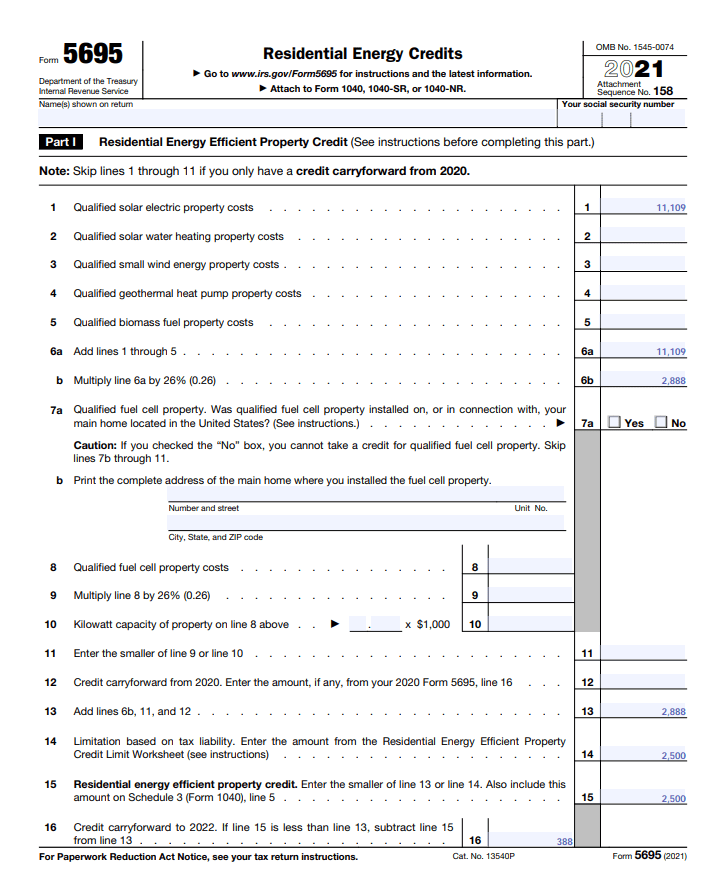
- The Investment Tax Credit (ITC) is the most significant federal incentive for solar in the U.S. It allows homeowners and businesses to claim a 30 % credit on the cost of a solar system installed on their property. (Currents)
- This credit applies to equipment, labor, and related expenses — which can significantly reduce the upfront cost of going solar. (Currents)
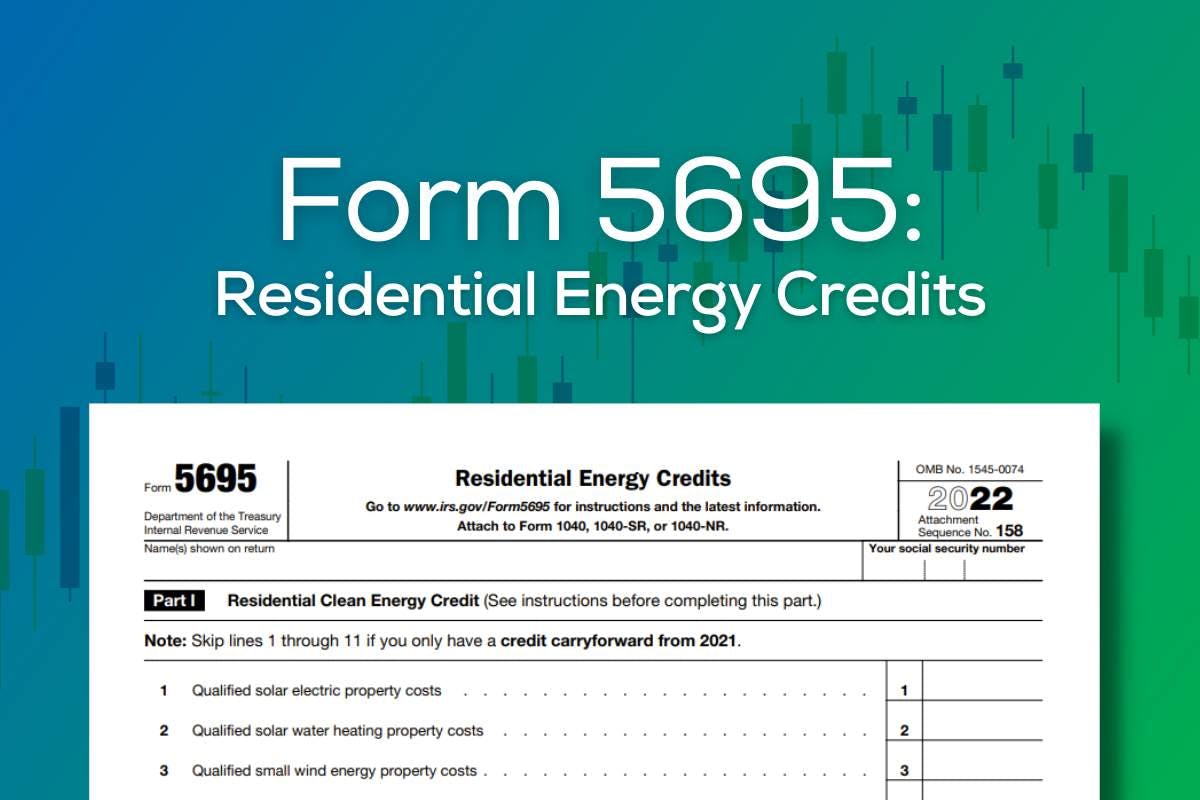
- To claim it, homeowners use IRS Form 5695 when filing their federal income taxes. (Green Energy Consumers)
💡 Example: If a rooftop system costs $20,000, the ITC could reduce federal tax liability by roughly $6,000. (Currents)
Timeline & Changes:
- Originally set to phase down after 2032, recent federal proposals could accelerate the phase‑out by around 2027–2028 — meaning homeowners and developers may need to act soon to capture full benefits. (Reuters)
🏛️ Other Federal Programs
In addition to the ITC, several other federal supports exist:
- MACRS (Modified Accelerated Cost Recovery System): Businesses can depreciate solar equipment over a short period, reducing taxable income. (Currents)
- DOE & USDA Grants/Loans: The Department of Energy and Department of Agriculture offer targeted grants and loan programs to support solar deployment, especially in rural and underserved communities. (U.S. Energy Information Administration)
🏙️ 2. State & Local Solar Incentives
While the federal ITC cuts costs significantly, states and local utilities add their own incentives that further reduce expenses and improve financial returns.
📊 Types of State-Level Incentives
- State Tax Credits: Some states offer their own credit based on a percentage of solar installation costs (e.g., Arizona’s 25 % credit up to $1,000). (American Solar Sales)
- Property & Sales Tax Exemptions: Solar systems often are exempt from state sales tax and don’t raise property taxes even if home values increase. (Renewable Energy)
- Rebates: Direct cash payments for installations — typical in California, New York, and Texas. (Energy Run Solar)
- Solar Renewable Energy Certificates (SRECs): In some states with renewable energy mandates, homeowners earn certificates for electricity produced that utilities must purchase. (PureSky Energy)
- Net Metering: When your system produces more power than you use, utilities credit you for the excess, reducing your electricity bill. (Currents)
📍 Examples of State Programs
| State | Key Incentives |
|---|---|
| California | Battery rebates (SGIP), property tax exemption, net metering credits. (Energy Run Solar) |
| New York | 25 % state tax credit (up to $5,000), sales tax exemptions, property tax breaks. (Energy Run Solar) |
| Florida | 100 % sales & property tax exemptions, full retail net metering. (Energy Run Solar) |
| Texas (Austin) | Local rebates and tax breaks. (Energy Run Solar) |
State incentives vary widely and change over time, so homeowners are encouraged to consult state energy offices or databases like DSIRE for the latest programs. (U.S. Energy Information Administration)
📈 3. Regulatory Support & Market Rules
⚡ Net Metering Policies
Net metering allows solar customers to sell excess electricity back to the grid at credit rates. This reduces utility bills and speeds ROI. Almost 44 states have some form of net metering policy — though compensation rates and rules differ. (U.S. Energy Information Administration)
📜 Renewable Portfolio Standards (RPS)
Many states require utilities to source a certain percentage of energy from renewables — creating broader demand for solar generation. This indirectly supports incentives like SRECs and performance payments. (U.S. Energy Information Administration)
🚧 4. Recent Policy Shifts & Challenges
While incentives have historically grown, recent legislative proposals in the U.S. have aimed to phase out or reduce key solar tax credits earlier than planned. Some federal bills seek to reduce the residential ITC or tighten eligibility rules for solar tax benefits. (Reuters)
Some federal renewable programs aimed at supporting solar access for low‑income households were canceled, generating controversy and legal challenges among clean energy advocates. (AP News)
📌 Conclusion
Government incentives in the U.S. have been crucial for making solar power affordable and popular:
🌞 Federal incentives — chiefly the 30 % tax credit — slash installation costs.
📍 State and local programs — add rebates, tax breaks, and extra revenue streams.
⚡ Regulatory policies — like net metering and renewable standards help ensure ongoing value and stability.
However, policy changes and accelerated phase‑outs mean it’s more important than ever for homeowners and businesses to plan and act before key incentives expire.